




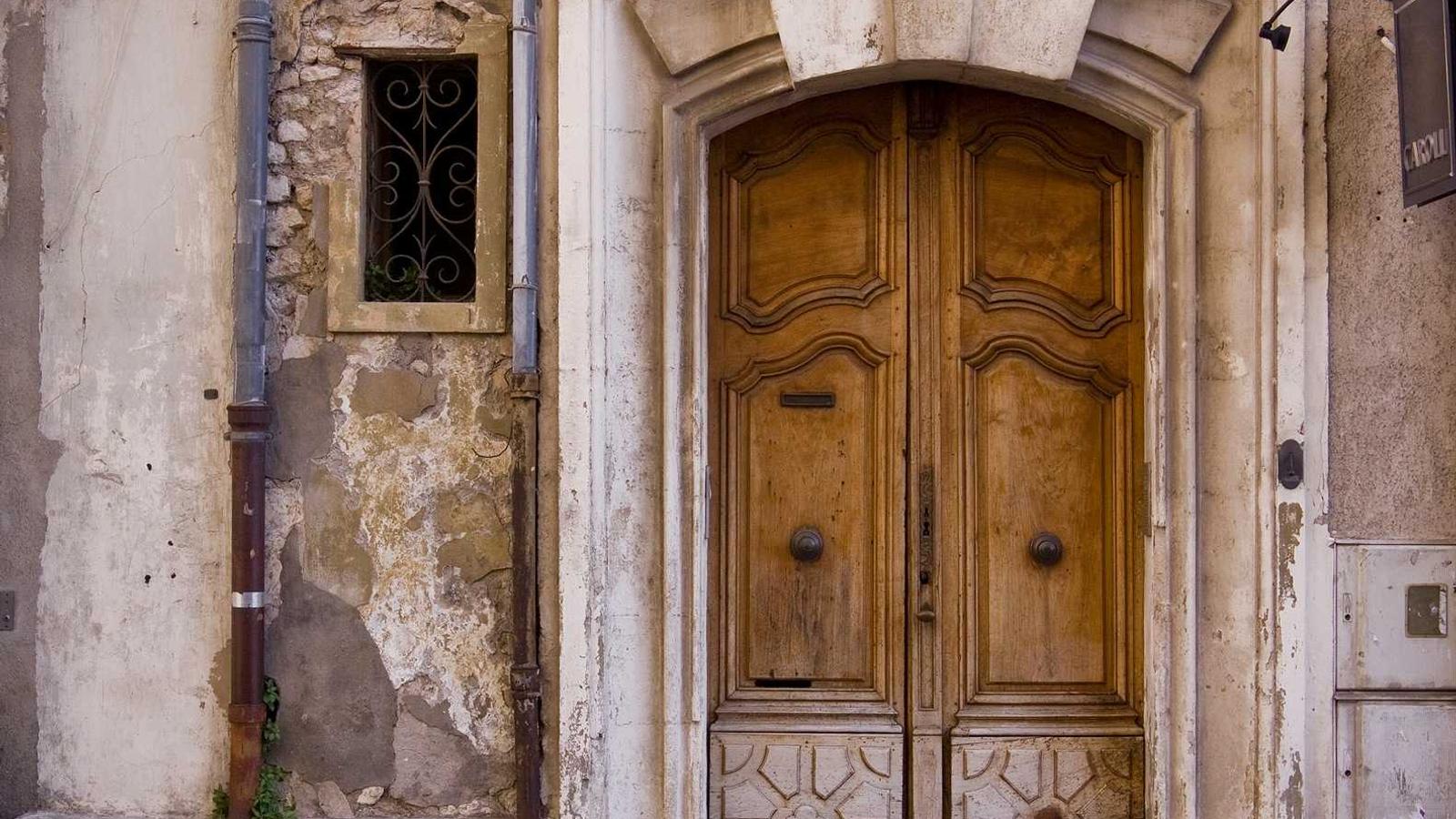

A community archive may receive a box of photographs from a retired teacher, local club, or longtime resident. The images are valuable precisely because they show ordinary life: school events, street festivals, workplaces, family gatherings, and neighborhoods before redevelopment. Yet the archive may know almost nothing about whether the people pictured expected those photographs to become public.
Historical preservation and personal privacy can pull in different directions. An old photograph may be culturally important while also showing children, patients, private homes, or people in vulnerable situations.
Archives should record whatever consent information is available when photographs are donated. Did the photographer take the image for public publication? Was it a private family photograph? Did the donor receive permission from the people shown? Sometimes the answer will simply be unknown, but recording that uncertainty is better than losing it.
Context matters as much as consent. Names, dates, locations, event descriptions, and photographer information can prevent future viewers from making incorrect assumptions. A photo labeled only “community event, 1980s” becomes less useful with every passing year.
Not every image needs to be placed online. Archives can preserve sensitive material while limiting public access, delaying publication, or requiring researchers to request permission. Policies should distinguish between keeping an image and broadcasting it.
When possible, community members can help identify people and add stories. That process should include a way for individuals to raise concerns about images of themselves or close relatives.
Photography archives are powerful because they make local history visible. Their responsibility is not only to protect the physical or digital file but also to preserve the circumstances around it. Consent records, access decisions, and basic context help ensure that remembering a community does not require ignoring the people whose lives appear in the photographs.
Archives should also document later decisions about access. If an image is restricted, the record should explain why, who made the decision, and when it should be reviewed again. Future staff members may otherwise remove a restriction or preserve one indefinitely without understanding the original concern.
K. Adeyemi

[1512]hb88 | Link vào nhà cái chính thức và cách chơi baccarat,Truy cập hb88 để trải nghiệm sảnh game hiện đại. Hướng dẫn tải app hb88 nhanh chóng, nạp tiền casino qua momo tiện lợi và mẹo quay slot nổ hũ dễ thắng. Tham gia ngay! visit: hb88
[2987]bdkk লগইন এবং অ্যাপ ডাউনলোড | বিকাশ অনলাইন ক্যাসিনো ও স্লট গেম,bdkk লগইন করুন এবং সহজেই অ্যাপ ডাউনলোড করে নিন। বিকাশ দিয়ে অনলাইন ক্যাসিনো ও সেরা স্লট গেম খেলার অভিজ্ঞতায় আজই যুক্ত হন। visit: bdkk
[9431]megha লগইন ও অ্যাপ ডাউনলোড | বিকাশ দিয়ে ক্যাসিনো ডিপোজিট,megha লগইন করে অনলাইন স্লট গেম খেলার নিয়ম জানুন। বিকাশ দিয়ে ক্যাসিনো ডিপোজিট করে সহজেই আপনার প্রিয় গেমটি শুরু করুন। আজই জয়েন করুন। visit: megha
[278]ragnarocasino লগইন এবং বিকাশ পেমেন্ট অনলাইন স্লট গেম,ragnarocasino login করুন এবং বিকাশ দিয়ে অনলাইন ক্যাসিনো গেম উপভোগ করুন। ragnarocasino app download করে লাইভ ক্যাসিনো খেলার নিয়ম জানুন ও শুরু করুন। visit: ragnarocasino
[5138]Wintoto Login | Trusted Online Slot and Casino Malaysia,Wintoto login for a trusted online slot experience in Malaysia. Get your wintoto APK download and enjoy easy casino deposit via Touch n Go. Join now! visit: wintoto