


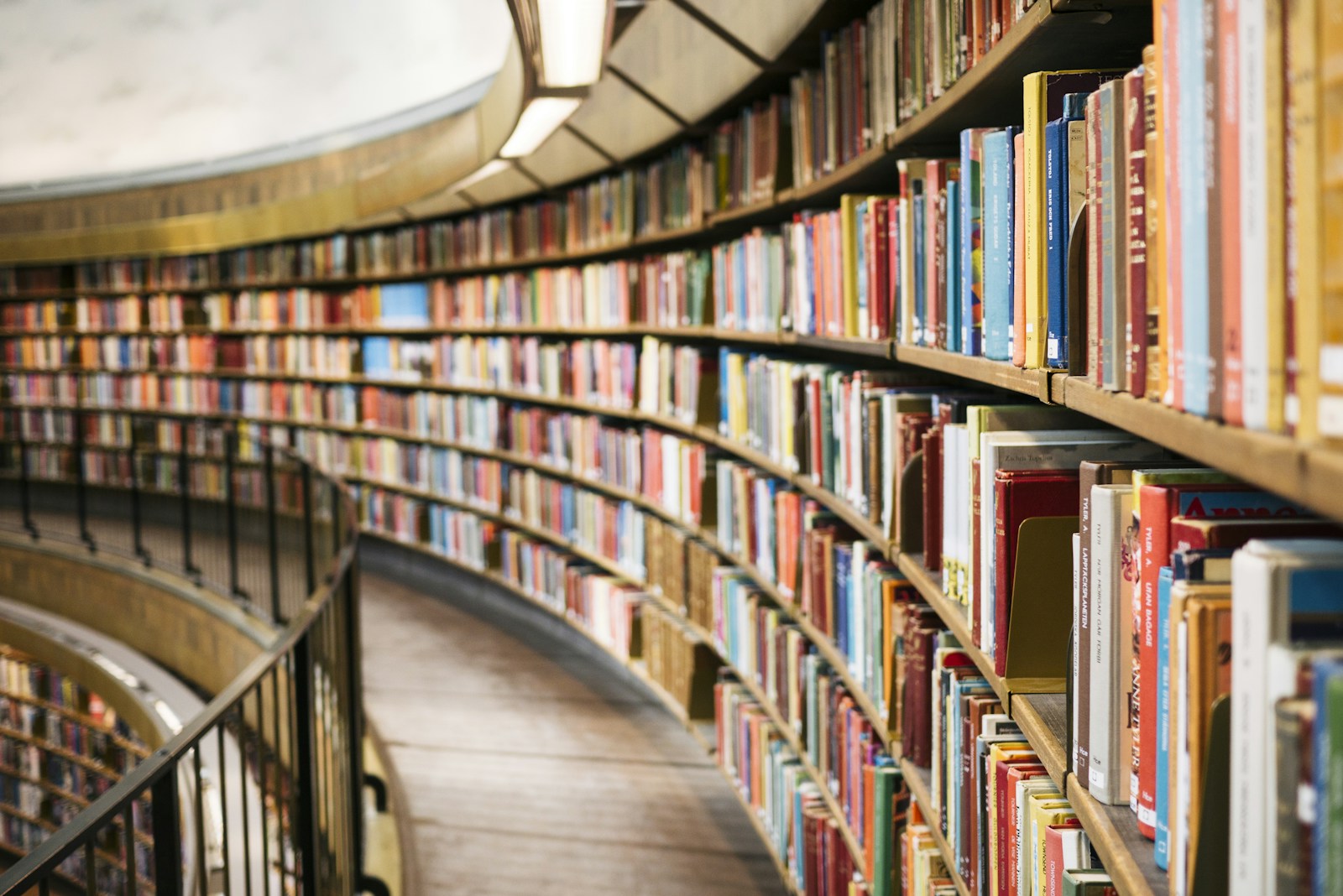

In the back of a storage room, students found a box labeled simply “1998.” Inside were photographs of a science fair, handwritten programs from a play, meeting notes from a student council, and a map showing trees that no longer stood on campus. None of the materials seemed important alone. Together, they described a school that had nearly disappeared from memory.
A school archive can be more than a cabinet of old yearbooks. It can become a working collection through which students learn to ask historical questions. Who created this document? Why was it kept? Whose experience is missing? What can a photograph show, and what can it conceal?
The project requires practical decisions. Students need to organize materials, record dates and names, create searchable descriptions, and protect fragile items. They may scan photographs, but digitization does not eliminate the need to preserve originals. Files also require backups, consistent formats, and permission rules.
Oral history adds voices that paper records rarely include. Retired teachers, maintenance workers, alumni, cafeteria staff, and neighbors may remember changes in discipline, language, transportation, school traditions, or the surrounding community. Students must learn to prepare questions, obtain consent, listen without interruption, and avoid treating memory as perfect evidence.
An archive can reveal uncomfortable history. A school may have excluded certain students, celebrated achievements unevenly, or removed records during leadership changes. The purpose is not to create a polished advertisement. It is to preserve enough evidence for honest interpretation.
Privacy deserves careful attention. Student records, health information, addresses, and personal correspondence should not be made public simply because they are old. Schools need clear rules for access and a process for reviewing sensitive material.
The archive can support many subjects. Art students can design exhibitions, computer science students can build a catalog, language classes can translate documents, and geography students can map how the campus changed. Younger students may contribute photographs of present-day routines for future researchers.
When students maintain an archive, history stops looking like something produced only by distant institutions. They discover that ordinary objects can become evidence and that preservation is an active choice. The box marked “1998” survived by accident. A thoughtful archive ensures that the next generation will not have to depend on luck.
M. Ellis

[2904]cv999 লগইন ও অ্যাপ ডাউনলোড | বিকাশ ক্যাসিনো ডিপোজিট,cv999 লগইন করুন এবং লাইভ ক্যাসিনো বোনাস অফার উপভোগ করুন। বিকাশ দিয়ে ক্যাসিনো ডিপোজিট করে অনলাইন স্লট গেম ট্রিকস নিয়ে জয় শুরু করুন। আজই যোগ দিন। visit: cv999
[6909]Midasbet login করুন এবং বিকাশ দিয়ে ক্যাসিনো ডিপোজিট করুন,midasbet app download করে সহজেই অনলাইনে স্লট গেম খেলার নিয়ম জানুন এবং সেরা লাইভ ক্যাসিনো বোনাস লুফে নিন। আজই জয়েন করুন। visit: midasbet